Liam McCardell — Novelist
Stories about the places people run to
Stories about the places people run to
when they can't run anymore.
Novels about courage, danger, and the quiet decisions that shape people's lives.
Novels about courage, danger, and the quiet decisions that shape people's lives.
A novel
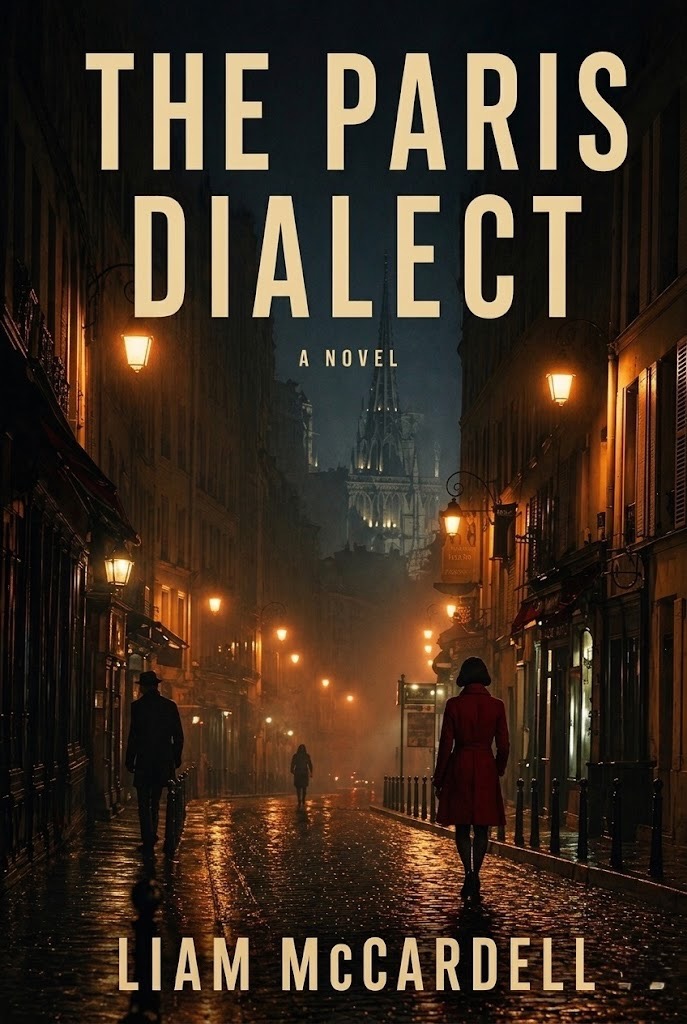
Paris, 1973. Mike Harwood photographs the city every morning — the same streets, the same light, the same angles his father photographed before him. He tells himself it’s habit. It isn’t.
When an invitation arrives to the Accent Club — a private salon where expatriates and intellectuals gather to perfect their French — Mike accepts, believing he’s found the city he came looking for. What he finds instead is a room where everyone is listening for something other than grammar.
In Paris, fluency is never just about language.
Order on Amazon Kindle Edition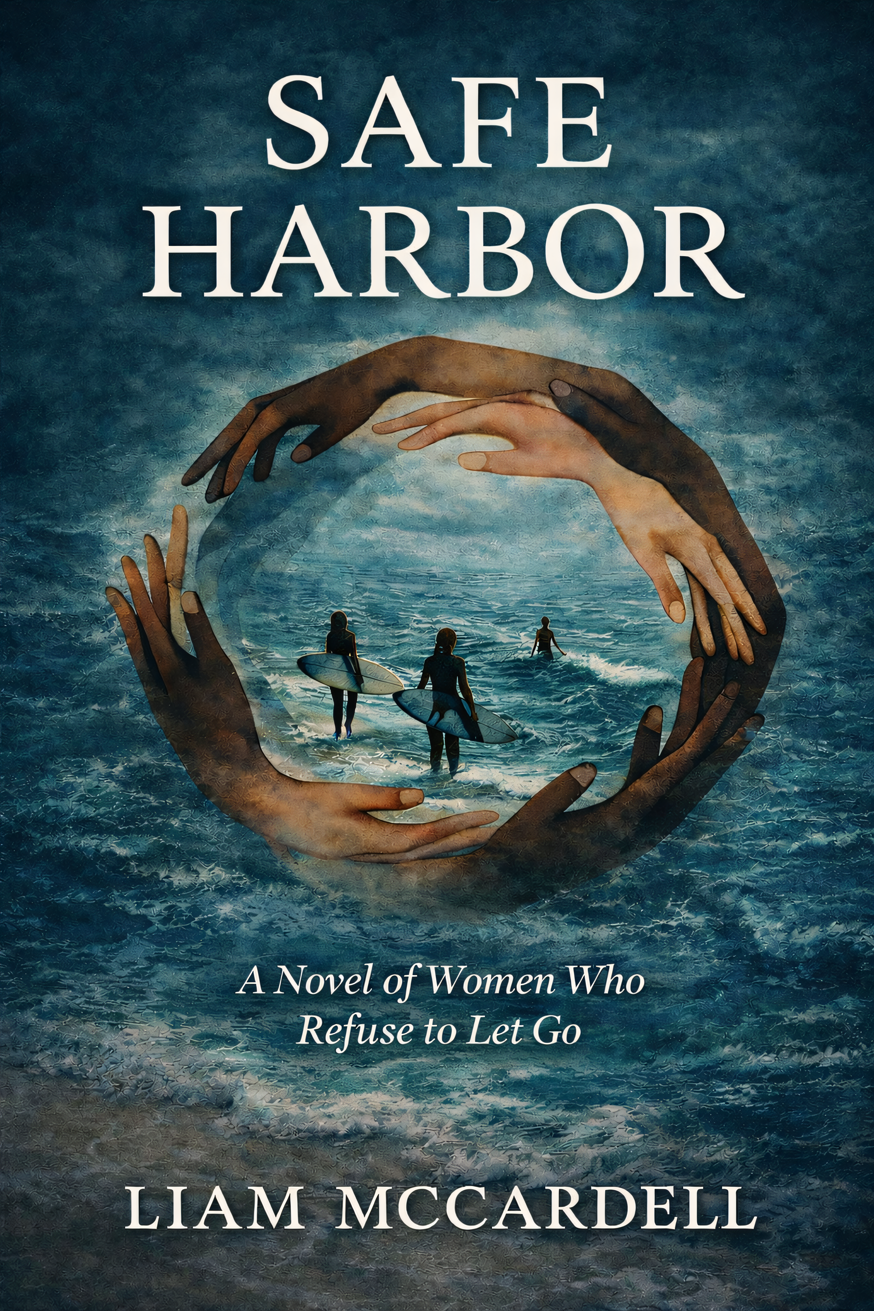
A novel
Before dawn, when the parking lot is empty and the town is still sleeping, Ashley opens the window of her coffee truck. Most mornings it's just coffee. Some mornings it isn't.
Sarah arrives with bruises she doesn't explain and a card that won't clear. She doesn't ask for help. She doesn't need to. Ashley knows what she's looking at. So does Dawn. So does Marie. Over months of early mornings and careful conversations, these women have learned to read what others walk past — the posture, the scanning eyes, the stories with gaps in them.
When Daniel Morrison starts coming after the women who helped his wife disappear, what began over free coffee and a napkin with a phone number inside becomes something he didn't see coming.
Order on Amazon Kindle Edition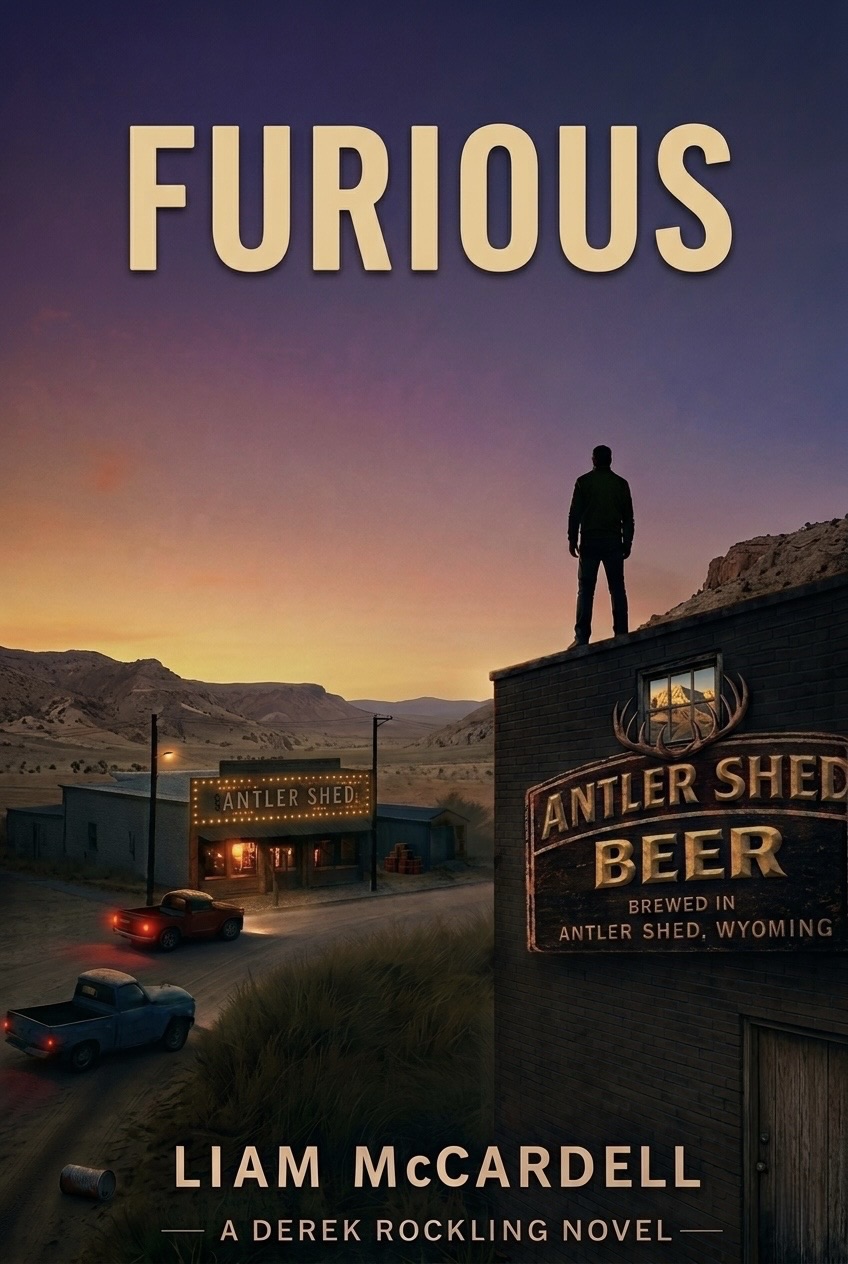
A Derek Rockling Novel
Twenty years of partnership. Twenty-three years of backing each other up. Then three years of silence.
On Derek Rockling’s last day with LAPD, the phone rings: Tom Nowak is dead. Horseback accident. Remote mountain road. Case closed.
Except Tom changed his will six months ago. He named Derek trustee. He left him a building, a business—and evidence of a conspiracy stretching from small-town corruption to federal crimes.
Tom’s message is unmistakable: If something happens, Derek will come. Derek will finish this.
Now he’s in Antler Shed—population 18,000-plus, two hours from backup, surrounded by people who wanted Tom gone. A Forest Service specialist who found the bullet wound. An attorney risking everything to help. And a professional killer in an underground bunker, watching.
Some partnerships don’t end. Not even when one partner dies.
Order on Amazon Kindle Edition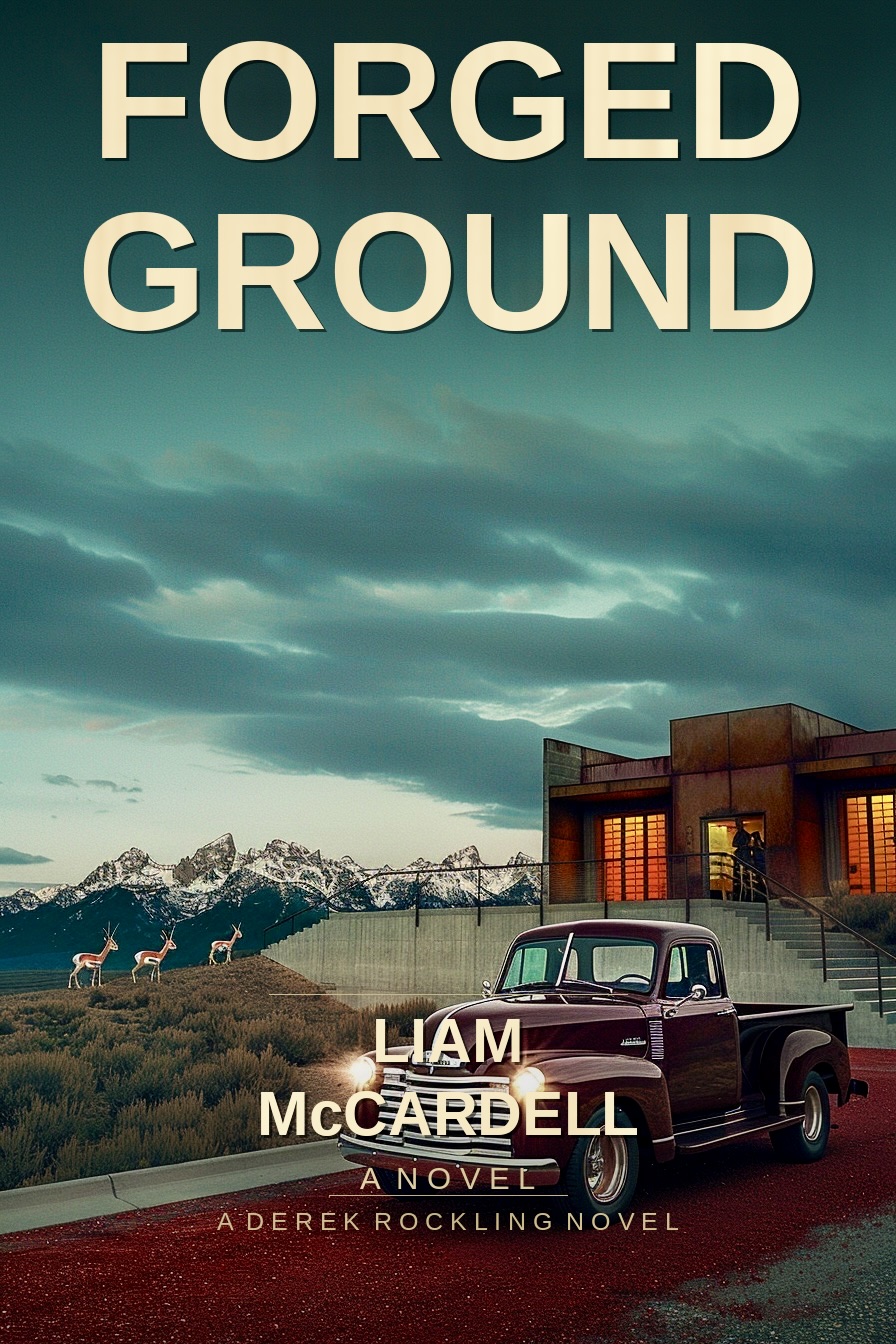
A Derek Rockling Novel
When her daughter hires Derek Rockling to examine the Red Grade Arts Foundation’s finances, Margaret Eastman’s late husband’s Civil War collection is still on the wall. It isn’t anymore. What Derek finds isn’t simple fraud—it’s a network built on expertise and patience, and the quiet assumption that nobody in Wyoming would look closely enough to catch it.
The second Derek Rockling investigation.
Order on Amazon Kindle Edition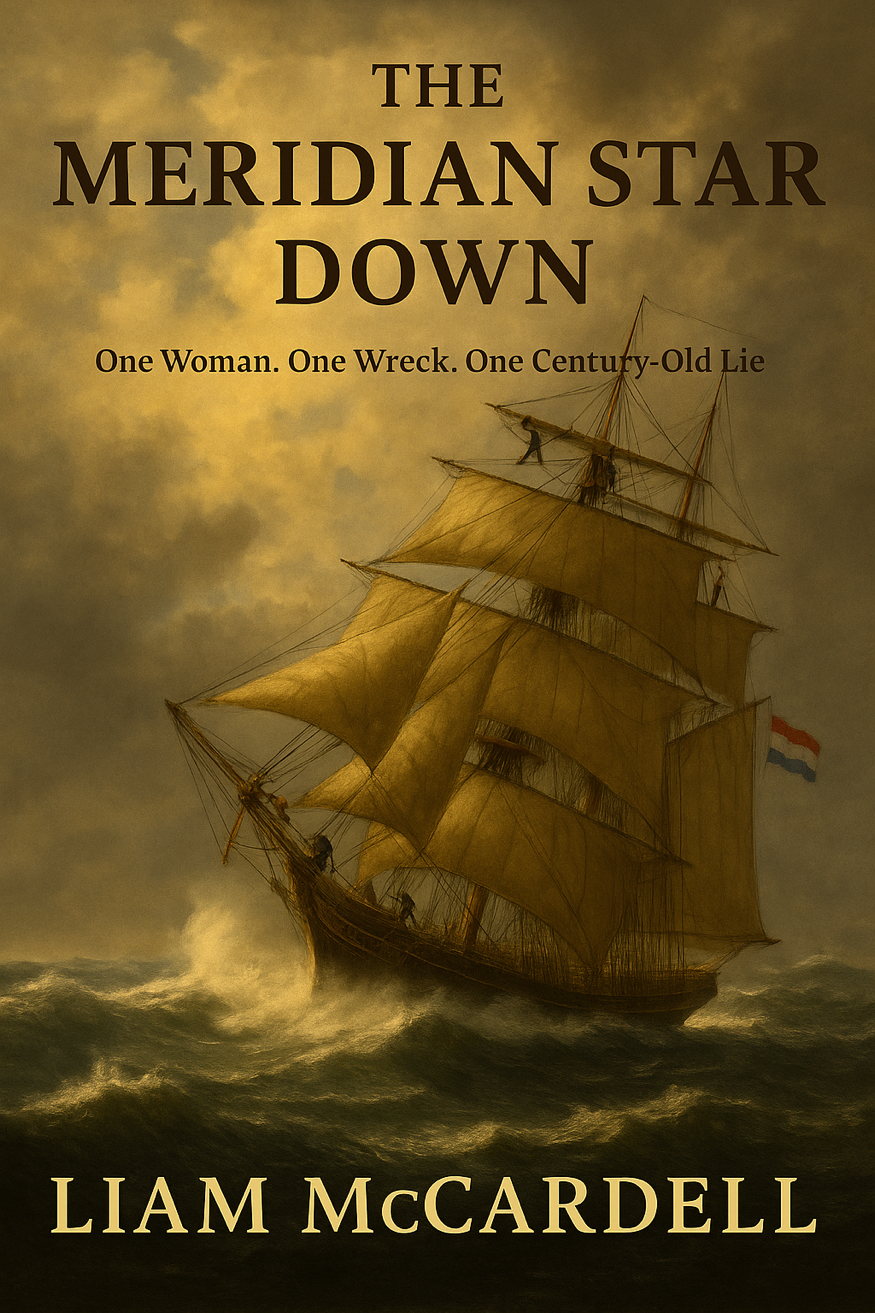
A novel
The wreck has been on the bottom of the harbor for two hundred years. No one knew what it was carrying.
Katrina came to Wilcoxe Landing to escape — a failed marriage, a career that had stopped feeling like hers. What she found was a small harbor community about to lose everything to a development company with the permits already signed. And beneath the water, the outline of a Dutch merchant vessel that shouldn’t be there.
What the Meridian Star carried when it went down in 1821 wasn’t treasure. It was seeds — a botanical archive preserved by a woman named Allegra who understood, two centuries before anyone used the word, what it meant for a species to disappear forever.
The past has a way of surfacing when it’s needed most.
Order on Amazon Kindle Edition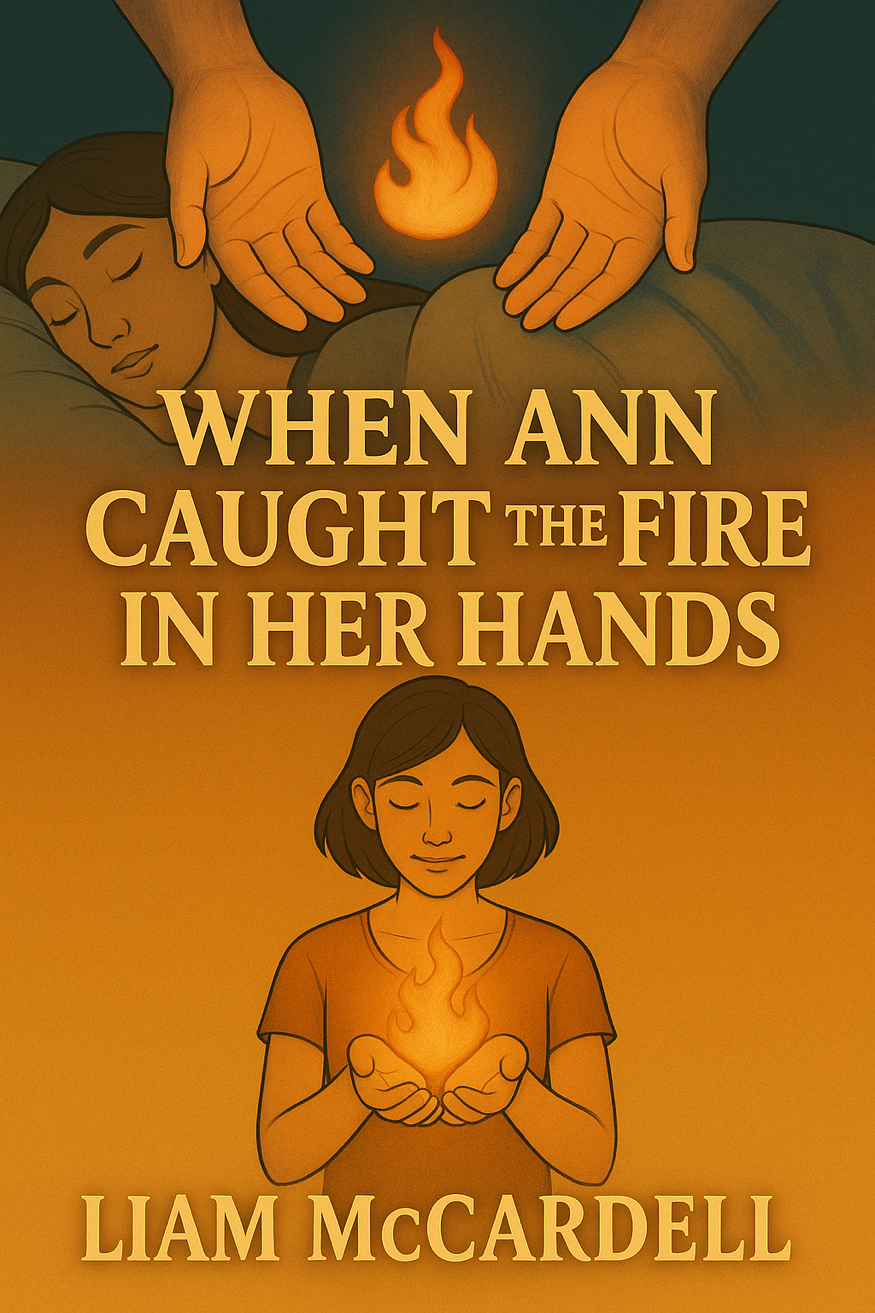
A Novella
Ann's life in Melbourne is orderly, quiet, and not quite hers. Todd is present the way furniture is present — occupying space without filling it. She has her child, her routines, her careful management of days that ask nothing of her.
Then the messages begin. A writer whose words reach somewhere Todd never thought to look.
What follows isn't an affair. It's a reckoning — with what Ann settled for, what she actually wants, and what it costs a woman to stop being agreeable and start being alive.
Raw, distinctly Australian, and written without sentimentality, When Ann Caught the Fire in Her Hands is a novella about desire as an act of will.
Order on Amazon Kindle Edition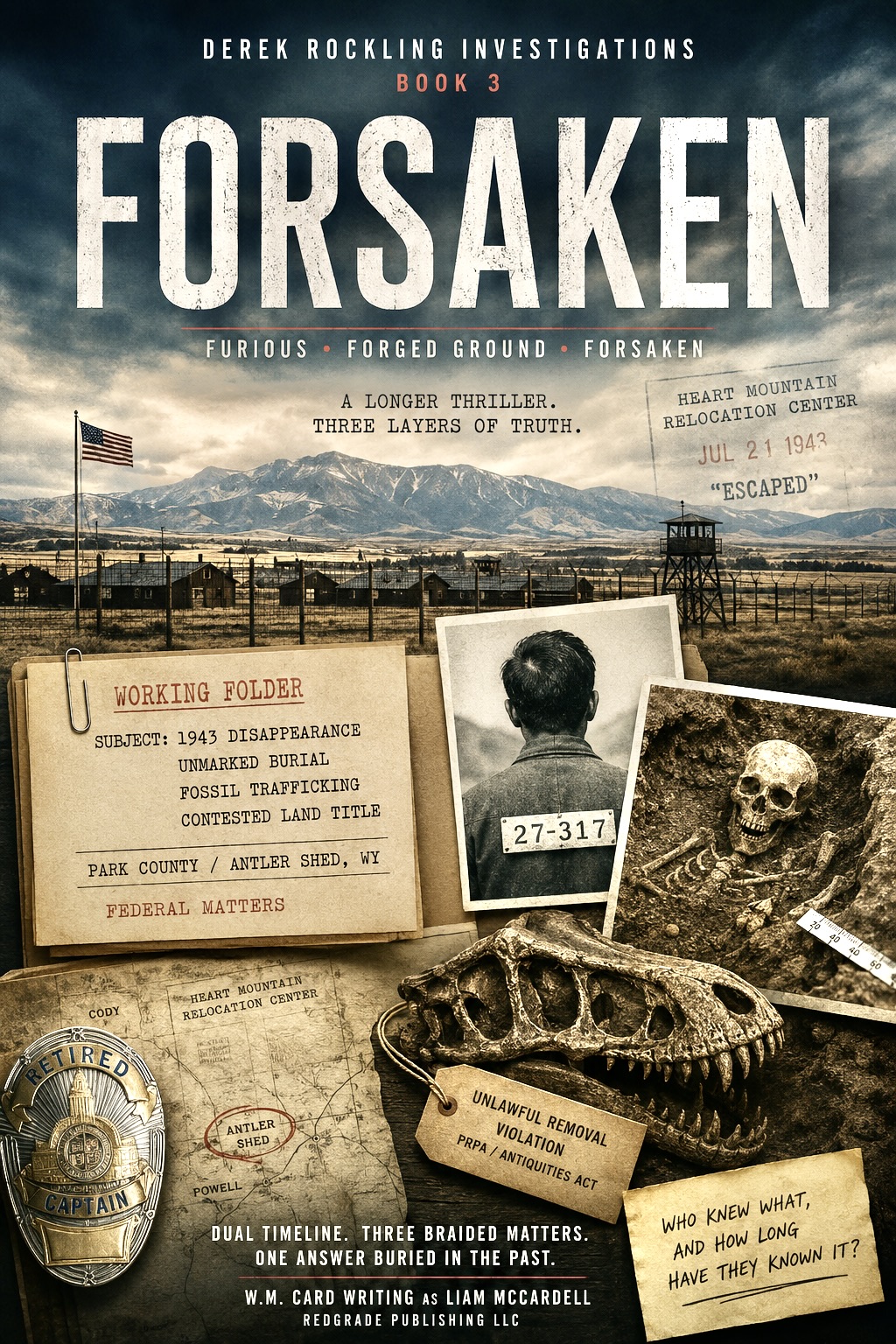 In Progress
A Derek Rockling Novel
In 1943, during a severe Wyoming winter storm, a young Japanese American woman escaped the Heart Mountain incarceration camp and vanished. More than eighty years later, her family asks Derek Rockling to find out where she was going—and what happened before she got there.
At nearly the same time, ground-penetrating radar on historically sensitive land at Heart Mountain reveals an unmarked burial from roughly the right period. For a family that has lived with uncertainty for generations, it looks like an answer at last.
Then the evidence begins to disagree. The grave may belong to someone else entirely, and someone still alive appears determined to keep that second story buried.
Derek and the people around him must reconstruct an eighty-year-old world from records, descendants, photographs, letters, family memory, and the Wyoming landscape itself. What emerges is not the crime story anyone expected, but a reckoning with love, loss, secrecy, and the question of who owns the truth after everyone who created the secret is dead.
 Coming Soon
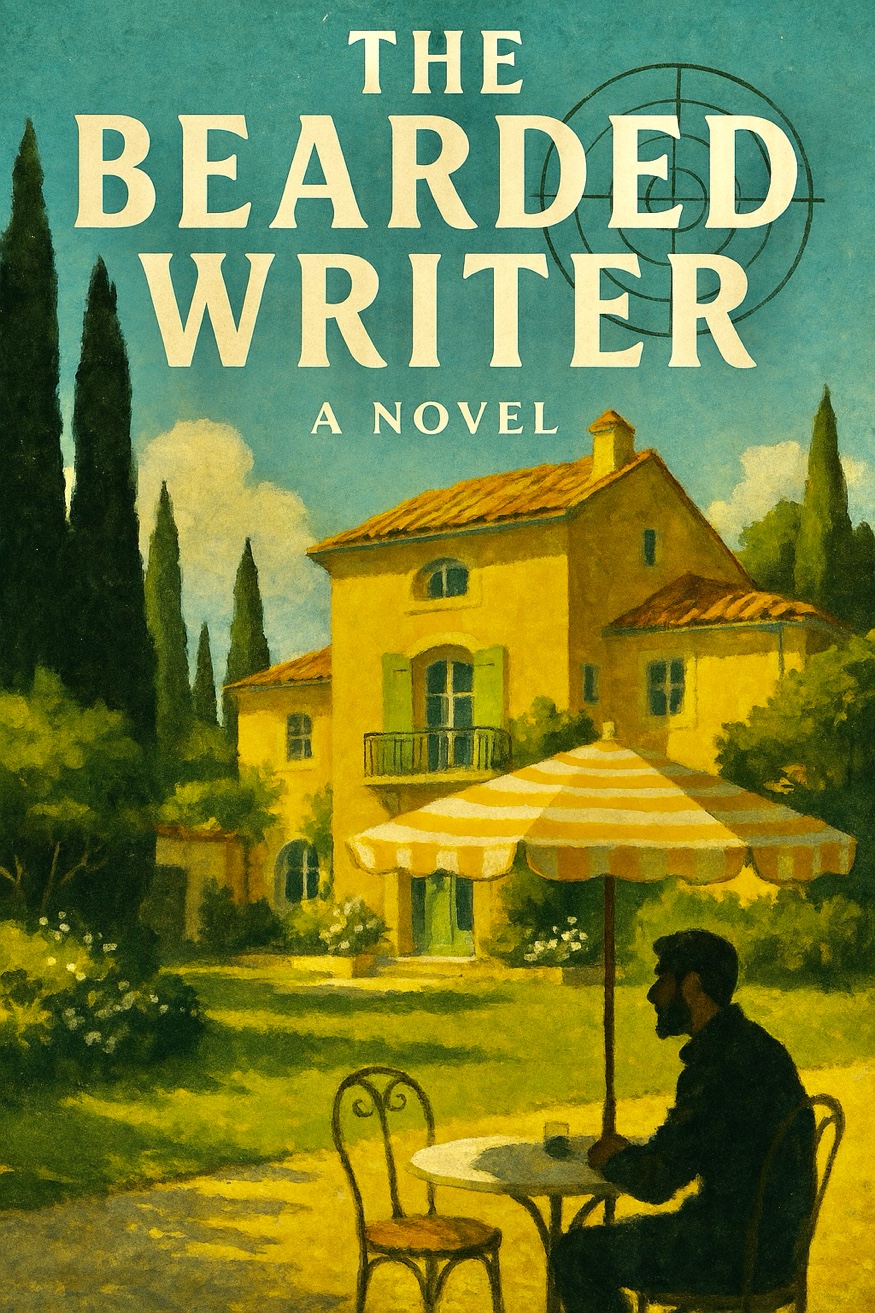
Jazz Gladstone came to Provence to disappear. The beard helps. The rented villa overlooking the Mediterranean helps more. What doesn't help is the couple next door with their gift basket and their easy manners and their luggage always packed by the door.
He's a mystery writer. He notices things. He just isn't sure yet what he's noticing.
The man working the olive grove across the road isn't a laborer. The woman in the village café isn't a tourist. The chef at the Plat du Jour seats himself with sightlines to both entrances and makes everything from memory. Over one Provençal summer, six lives that should never have intersected begin to converge — each person watching someone who is watching someone else.
The Bearded Writer is a novel of mistaken identities, chosen families, and the peculiar danger of a quiet life in a place where everyone has come to disappear.
 In Progress
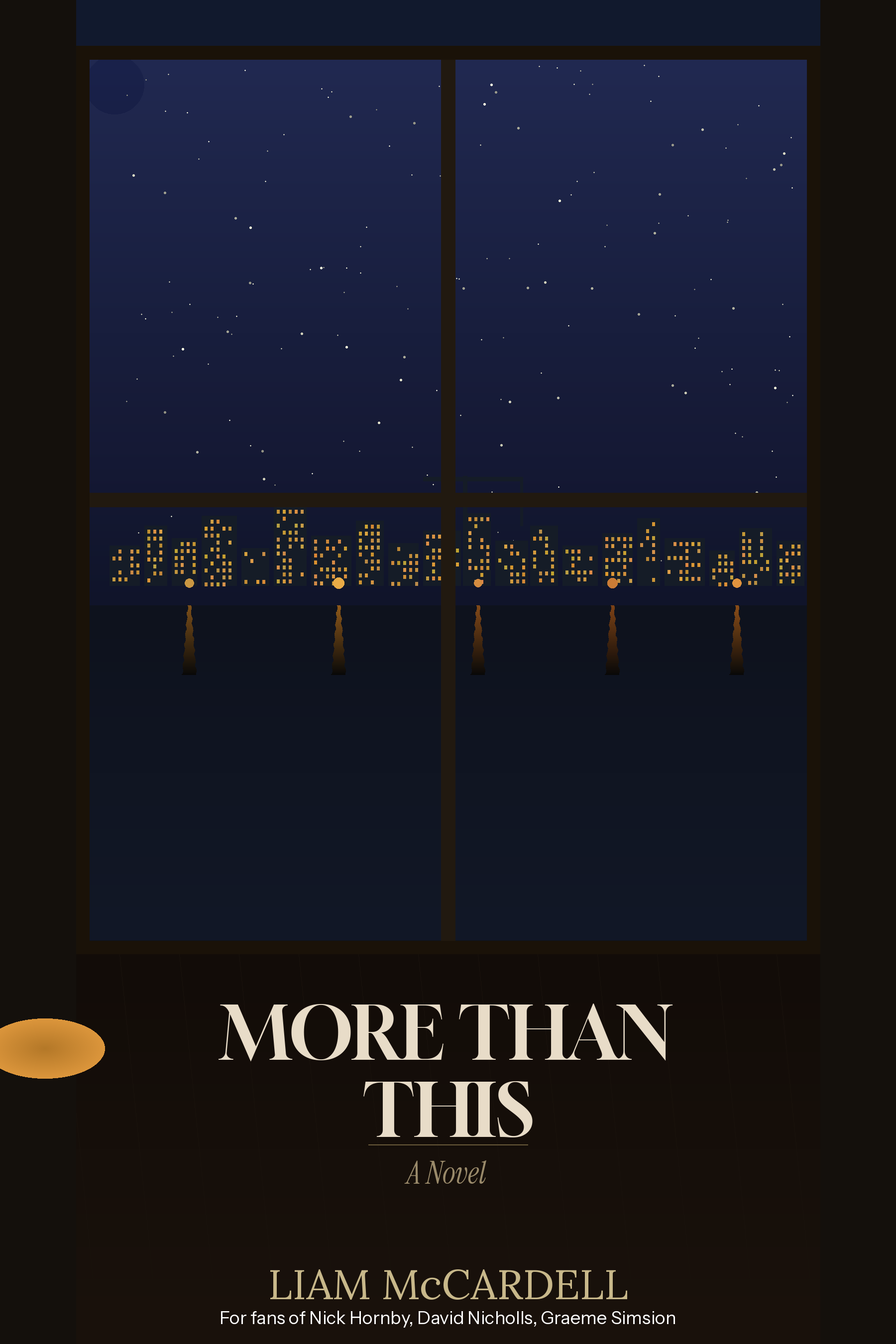
Georges is precise about most things. His work, his routines, the particular way he understands problems and solves them. What he couldn't solve was why she left. That was good. Really good. But there has to be more somewhere else.
He takes the cruise alone. Two weeks. Ten women matched by an algorithm he didn't ask for. Four who agree to keep seeing him. Over fourteen days at sea, Georges does what he always does — he pays attention. What he doesn't expect is that the education won't be about the women. It will be about what he's actually looking for.
When one woman leaves the ship early, he spends a final night with another who should be everything. In her presence he understands, for the first time, what absence feels like.
 Coming Soon
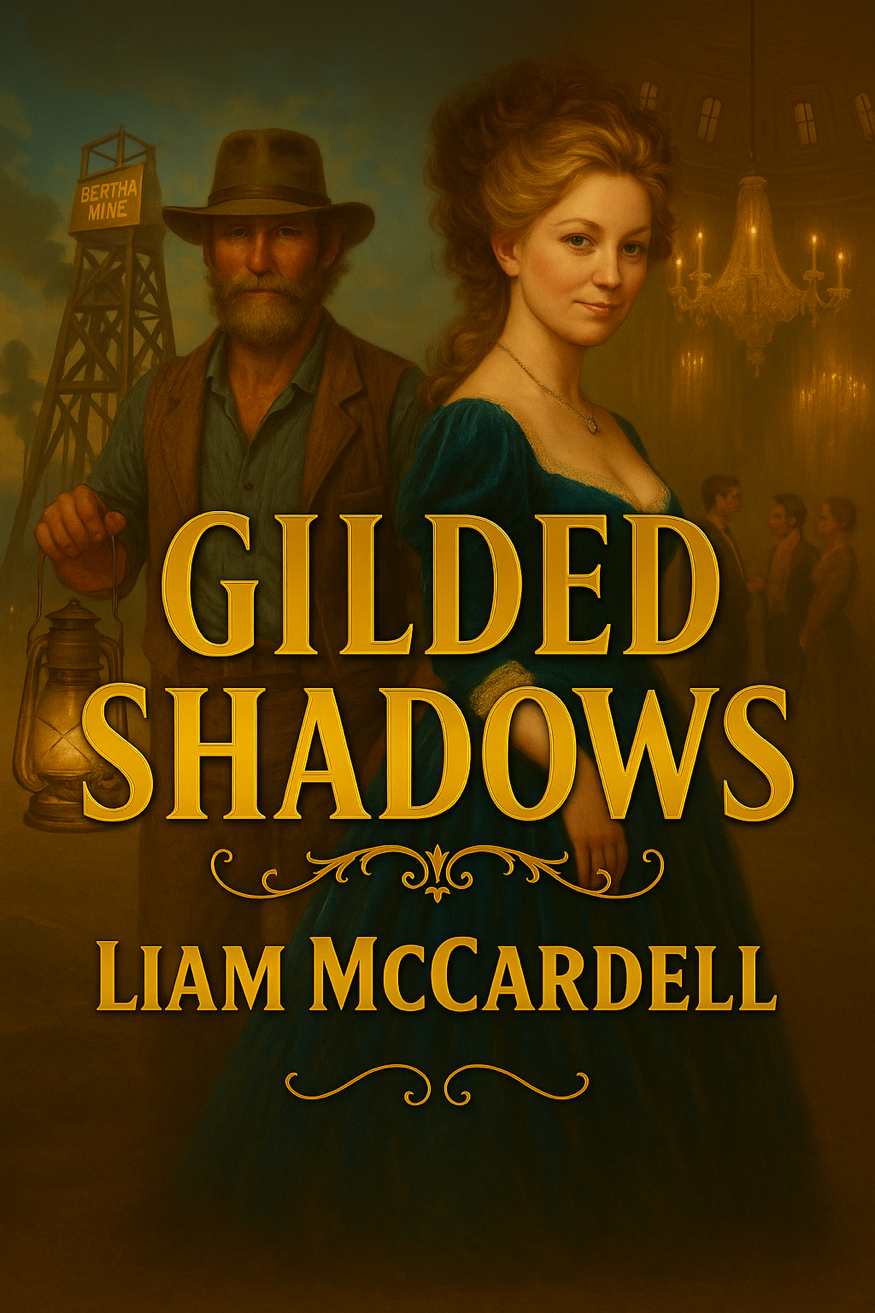
New York, 1889. The Calder fortune was built on railroads and distance — distance from the mines, from the men, from the cost of progress measured in lives rather than ledgers.
When Larry Calder is sent west to oversee the family's copper interests at Morenci, he arrives expecting to manage an asset. What he finds are men breathing rock dust in shafts that shouldn't be standing, families living in company housing they can never own, and a system engineered to extract everything and return as little as possible.
And beneath it all, a covert network — engineers, servants, inventors — quietly working to shift the balance.
Gilded Shadows is a novel of the Gilded Age told from both sides of the ledger.
A Tale of Hats, Eggs, and Mischief
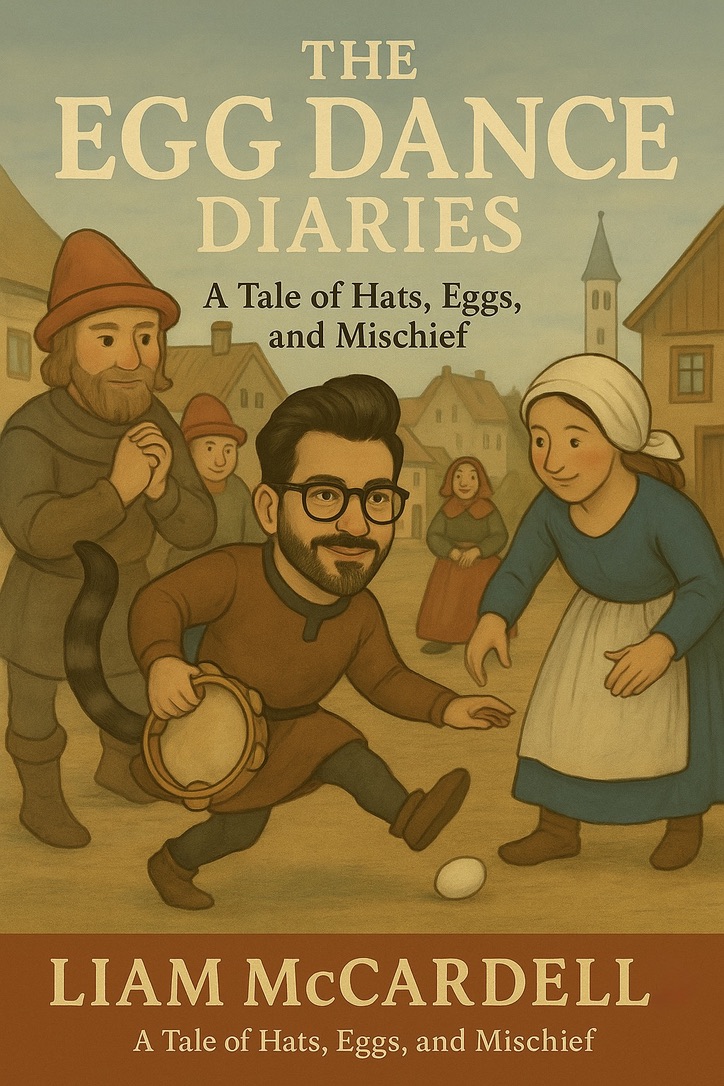
Comic dispatches from the Annual Sheridan Egg Dance — radish bonnets, ceremonial hierarchy, and the unexpected sacred.
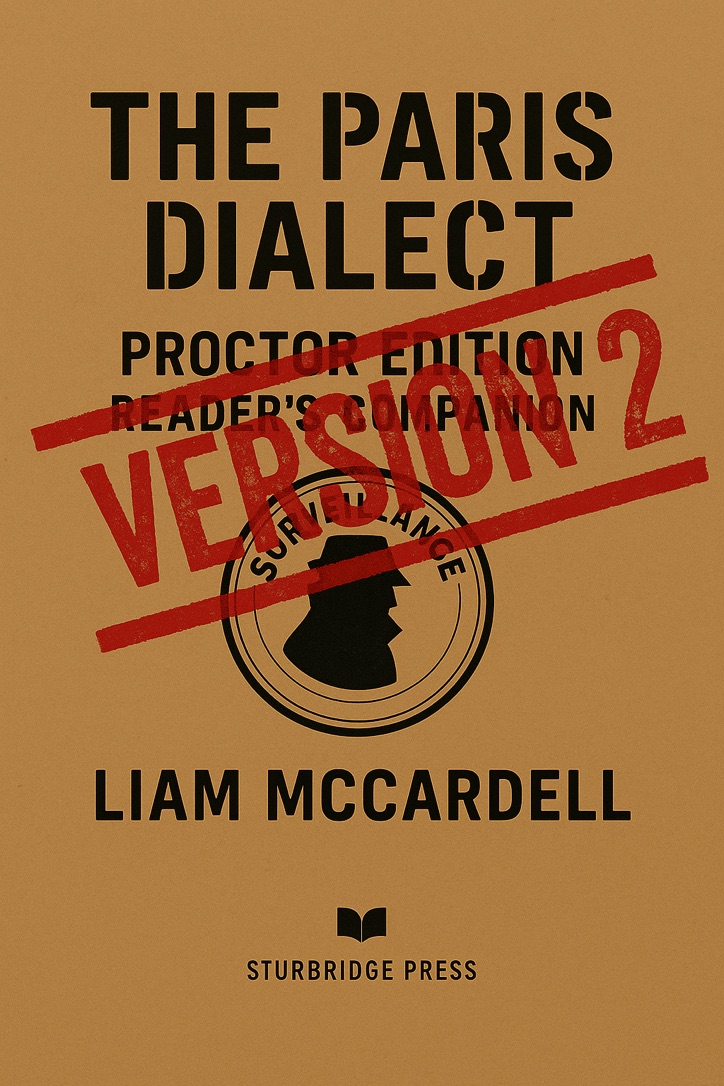
Version 2
A companion volume to The Paris Dialect for readers, instructors, and discussion groups.
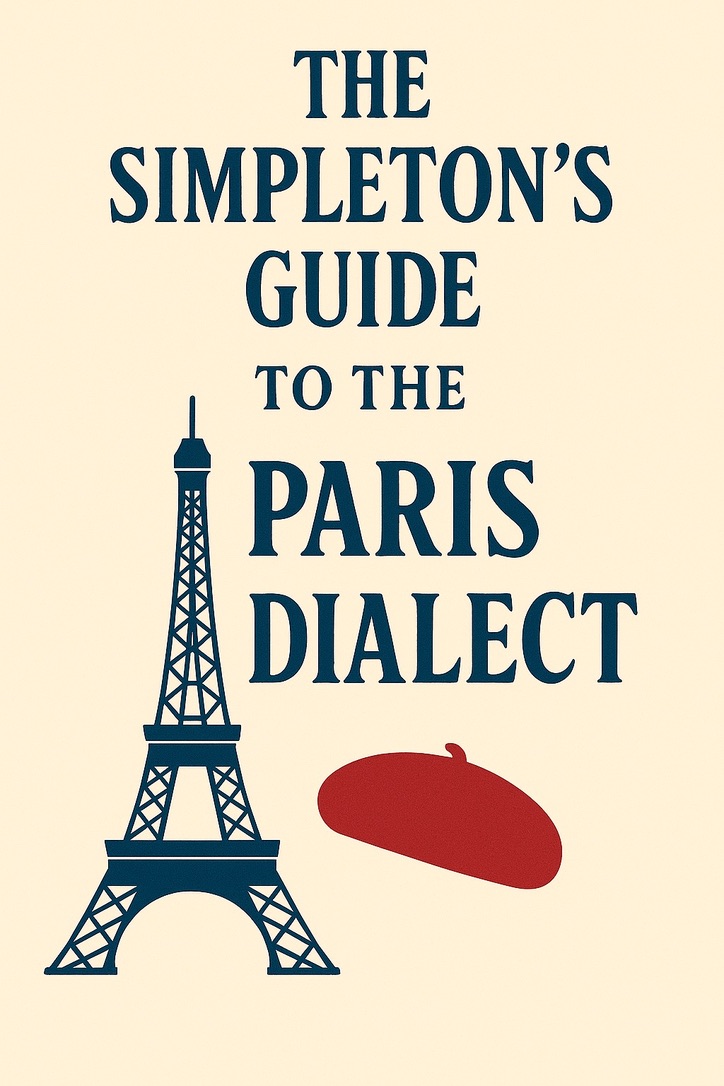
to The Paris Dialect
For readers who finished the novel and aren't entirely sure what happened. Written in a voice of complete authority.
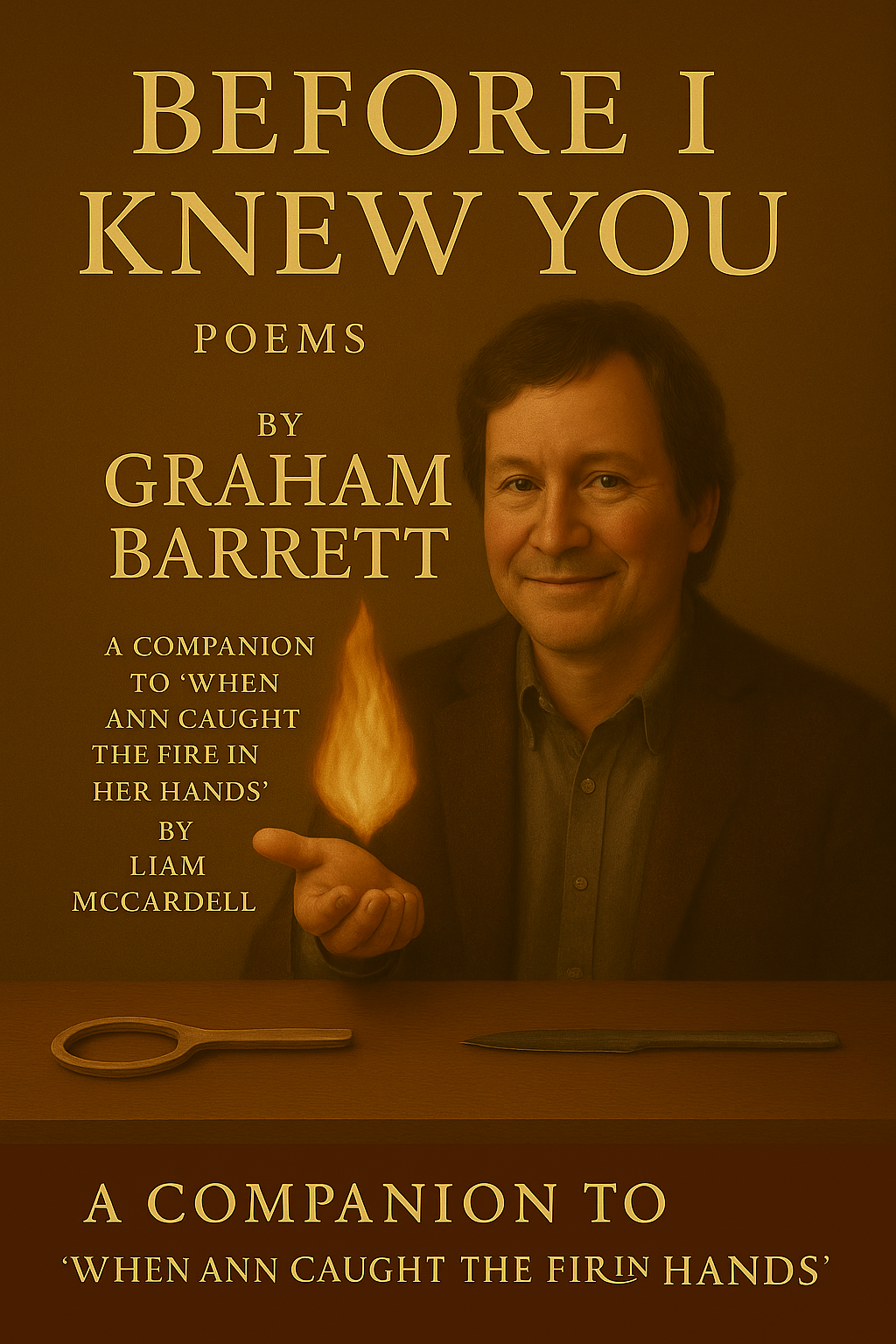
Poetry
Poems written in the voice of the male character from When Ann Caught the Fire in Her Hands.

Every verse is a chance to start again.
A standalone verse about imperfect melodies, missed beats, and the music that keeps playing anyway.
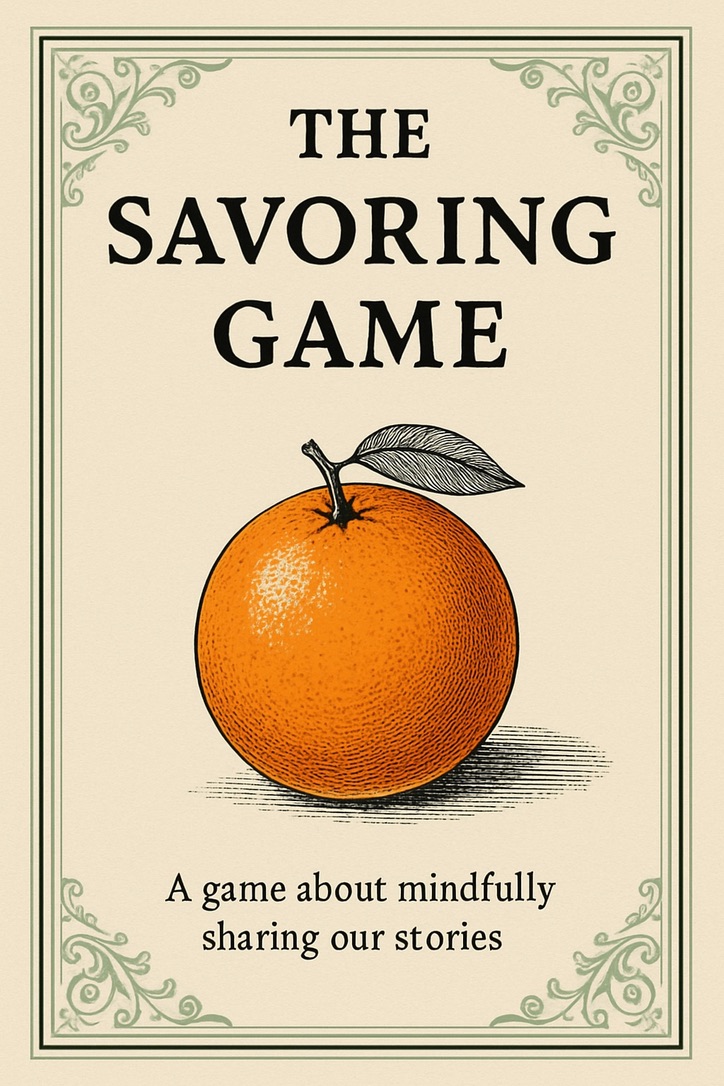
A game about mindfully sharing our stories
A gathering game built around cards, oranges, and the art of letting someone offer you a piece of their life — one segment at a time.
The Derek Rockling Investigations are Wyoming-set crime novels following former LAPD captain Derek Rockling. The series combines earned procedural investigation with moral ambiguity, continuing characters, community life, and a strong sense of place.
Reading order: Furious · Forged Ground · Forsaken (in progress). Each investigation stands on its own, while Derek’s life in Antler Shed and the people around him continue from book to book.
Readers who enjoy Michael Connelly’s procedural clarity, Peter Grainger’s character-first continuing world, John le Carré’s moral and institutional complexity, Patricia Highsmith’s psychological unease, Louise Penny’s community and recurring-character depth, or Peter Mayle’s attention to place and daily life may find familiar pleasures here—within McCardell’s own Wyoming world.
Derek Rockling is a former LAPD captain who begins a new life in Antler Shed, Wyoming, and finds himself drawn back into investigative work.
Begin with Furious, followed by Forged Ground. Forsaken is the third Derek Rockling investigation and is currently in progress.
Each investigation is designed to stand on its own, but reading in order lets the continuing characters, relationships, and Derek’s life in Wyoming develop naturally.
The series is rooted in fictional Antler Shed, Wyoming, with cases extending into the wider Wyoming and Mountain West landscape.
Liam McCardell writes crime fiction, mysteries, literary thrillers, and character-driven novels shaped by procedural authenticity, continuing characters, difficult choices, and a strong sense of place.
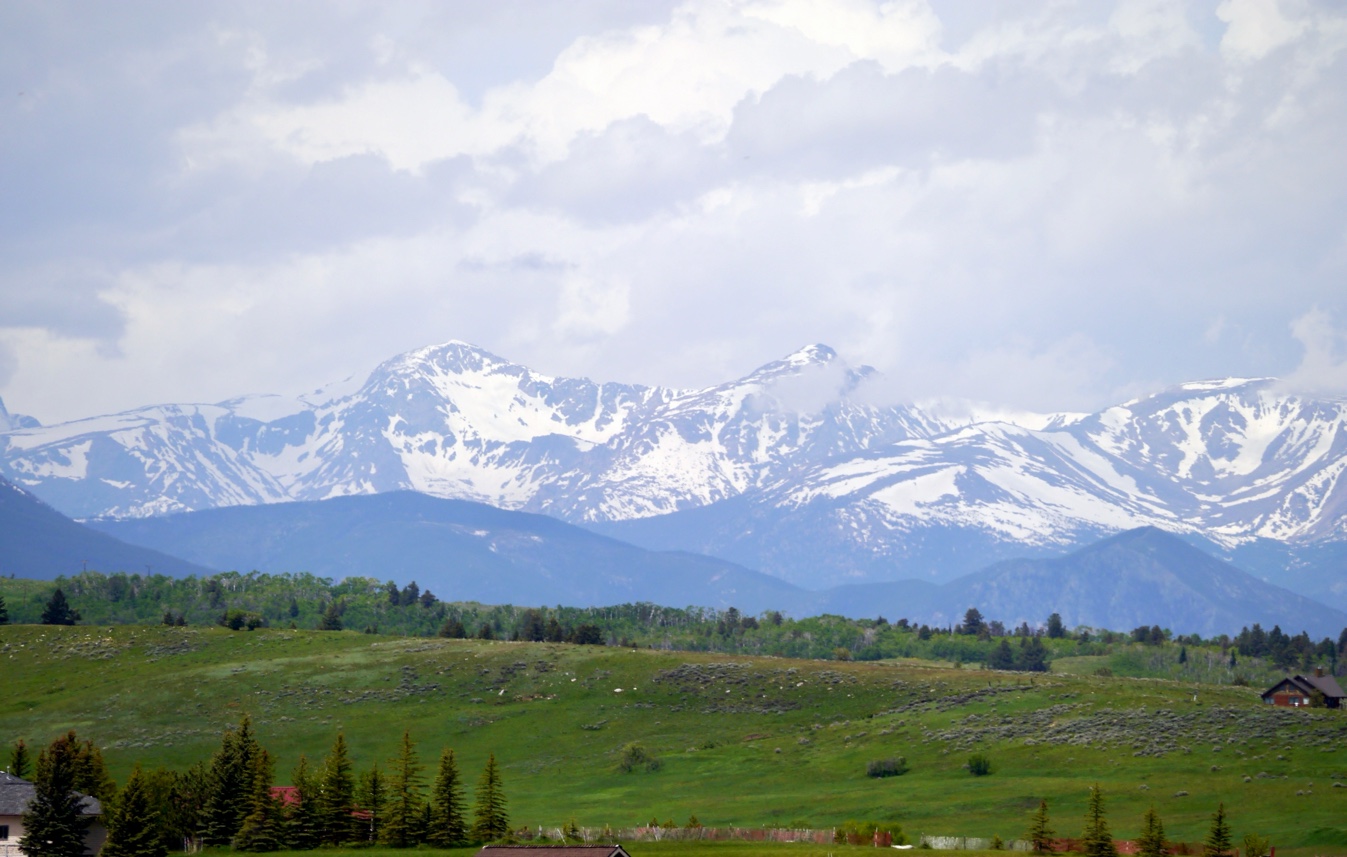
He spends part of the year in the American West near Sheridan, Wyoming, where the open landscape and small communities often find their way into his writing. When not in Wyoming he travels widely, particularly in Europe. Harbors, cities, and quiet streets abroad appear throughout his stories, shaping narratives that move between continents while remaining grounded in human experience.
Before turning fully to fiction, McCardell spent many years observing how people respond to pressure, conflict, and unexpected change. Those experiences continue to inform his novels, which often focus on individuals facing difficult choices and searching for the courage to begin again.
In addition to writing, he works as a visual artist and photographer, and his attention to atmosphere and place carries into the landscapes of his fiction.
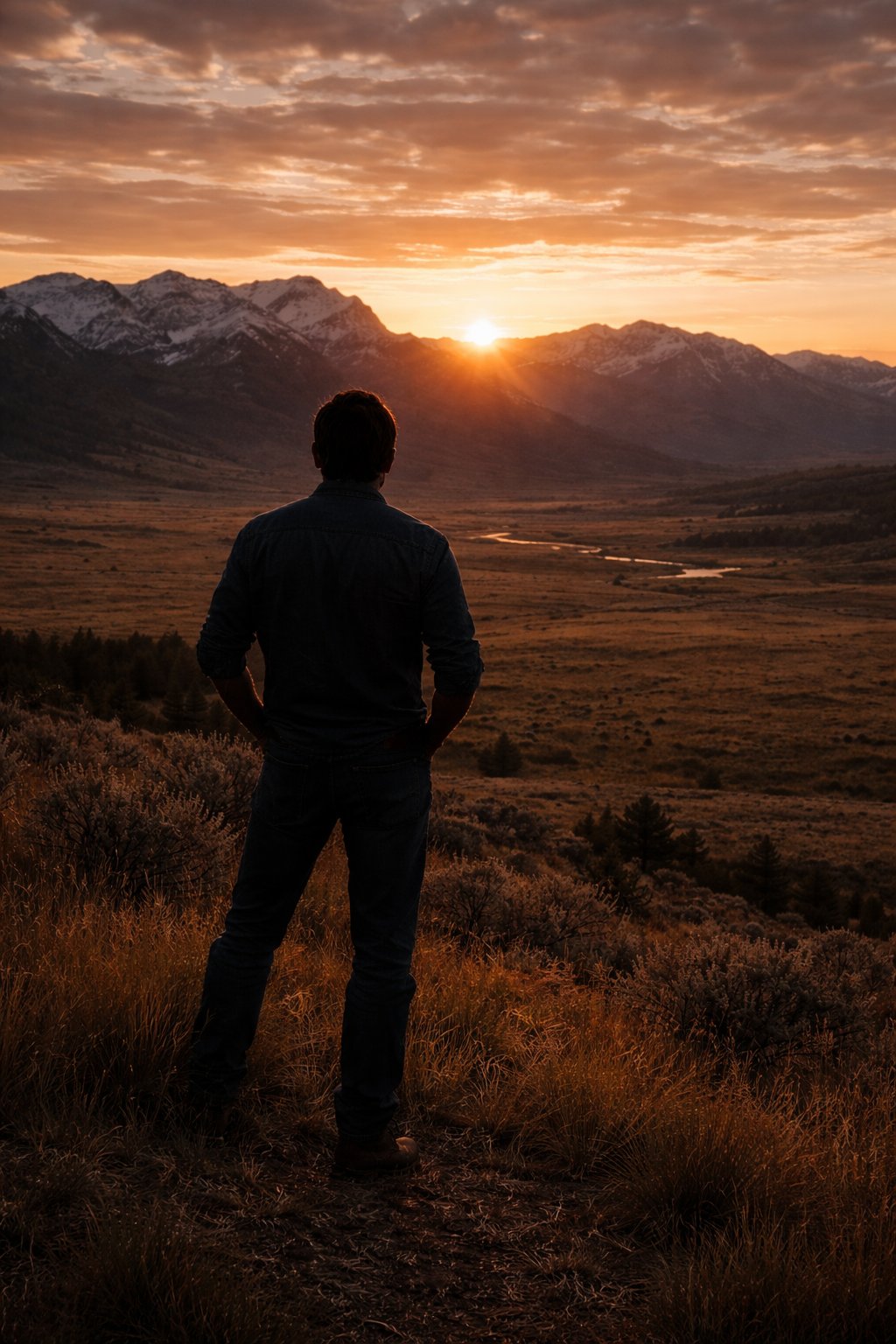
Based in
Sheridan, Wyoming
& traveling in Europe
Influences
John le Carré · Patricia Highsmith
Michael Connelly · Louise Penny
Peter Grainger (Robert Partridge) · Peter Mayle
The mines in Gilded Shadows are not invented. My family worked them.
My family began moving into Silver City, New Mexico, around 1865, mostly by rail, during the years when silver was still worth the men it cost. When the silver thinned, they followed the copper north and east to Morenci, Arizona, running a series of small operations until they sold and moved on, as families did in that era, always following the next seam.
Between St. Louis and the Southwest, they built a kind of corridor, sending out what I can only call tendrils — toward what became Orange County, Los Angeles County, the coastal communities of Dana Point, Laguna Niguel, San Clemente, and eventually downtown Los Angeles itself, where some of them settled before the First World War. Others stayed in Missouri. Some of those became a Publishing Company.
My second great-grandmother was widowed in 1863 during the American Civil War. She remarried, and with her partner, they founded the Missouri Historical Society. She built something meant to last, in a year when the country was tearing itself apart.
I write under her name.
When I sat down to set a novel in Morenci in 1882, I wasn't choosing a location. I was going back to something I'd inherited without knowing it — the dust, the ledgers, the quiet men watching from ridgelines, the families running two versions of every story simultaneously.
Gilded Shadows is fiction. But the mine is real. And so is the family that worked it.
— Liam McCardell
The high desert has a way of clarifying things. At altitude, in the open, there is nowhere to hide — not from weather, not from consequence, not from the question of who you actually are when stripped of the city and the noise.
There is a difference between a case the department closes and a case that's actually finished. Most of my fiction lives in that gap — the space between what authority declares resolved and what truth requires.
Long before anyone asked them to, they were paying attention. The coffee truck, the diner, the harbor at dawn — ordinary places where extraordinary things happen quietly, in plain sight, if you know what to look for.
Occasional notes on new books, writing, and the landscapes that find their way into the fiction. No noise — just the work.
For press inquiries, reading groups, or simply to share a thought on the work.
Thank you — I'll be in touch.